
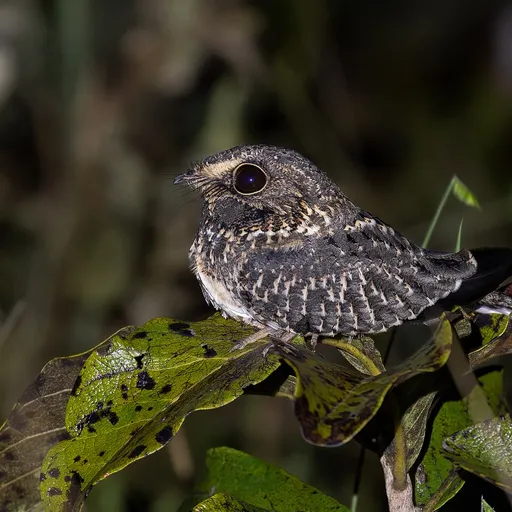
Sickle-winged Nightjar
Eleothreptus anomalus
Vulnerable
Overview
The sickle-winged nightjar (Eleothreptus anomalus) is a monotypic species of nightjar in the family Caprimulgidae. It is classified as Vulnerable by the IUCN due to a small and rapidly declining population caused by habitat loss and degradation.
Identification
- Adults measure 18 to 20 cm in length, with males weighing around 43.7 g.
- Males possess hooked "sickle"-shaped primary flight feathers, whereas females lack this modification and are generally browner.
- Plumage features include grayish-brown upperparts with dark spots; the male's underparts display brown bars, buff streaks, and cinnamon tinges on the throat.
- Vocalisations consist of soft chip or tick notes, as well as a harsh, nasal flight call described as "gzee gzee".
Habitat
This species is documented in northeastern Argentina, southern Paraguay, and southern Brazil, with suspected but unconfirmed presence in Uruguay. It is believed to be resident throughout its range, although there are suggestions that it may migrate north from Argentina after the breeding season.
Diet
The sickle-winged nightjar feeds on insects, though specific dietary details remain unknown. It is crepuscular and nocturnal, foraging by sallying from the ground or during low continuous flight while perching on roads, trails, low branches, or wire fences between sallies.
Did you know?
The species derives its common name from the distinctive hooked shape of the male's primary flight feathers, giving the wings a unique sickle appearance.
Sources
- Wikipedia · CC BY-SA 4.0
- Wikidata · CC0 1.0